
Dogs naturally shed throughout the year, but many pet owners become concerned when they notice excessive hair loss during the colder months. While winter is often associated with thicker coats and reduced shedding, many breeds continue to lose fur for several reasons. Understanding the causes of dog shedding in winter can help pet owners maintain their dog’s coat health and identify when shedding may signal an underlying issue.
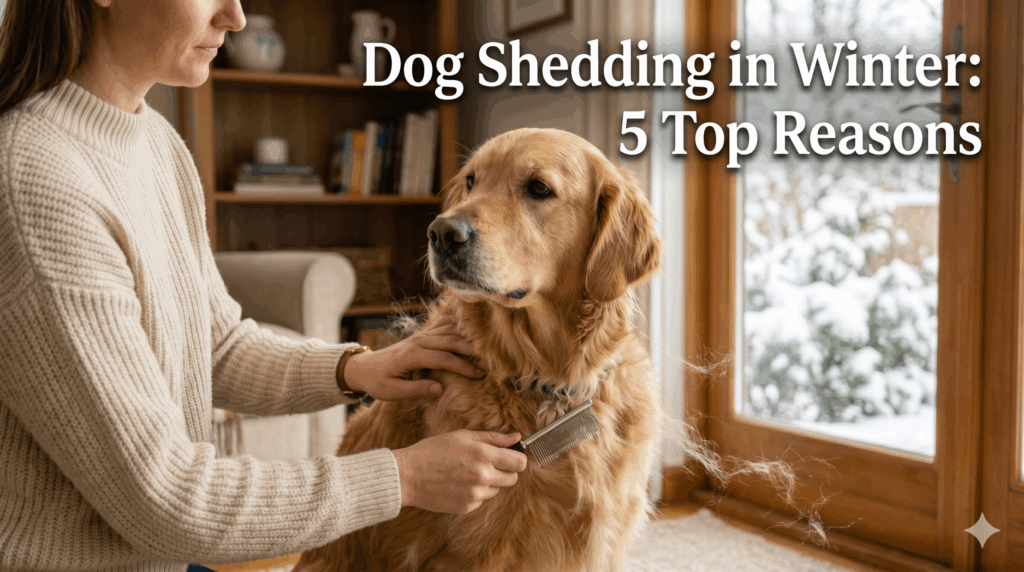
Understanding Winter Shedding in Dogs
Shedding is a natural biological process that allows dogs to replace old, damaged, or unnecessary hair with healthy new growth. The amount of shedding varies depending on breed, age, health, environment, and seasonal changes. While some dogs experience heavy shedding during spring and fall, winter shedding is also common and often misunderstood.
A dog’s coat consists of two layers in many breeds:
- Topcoat (guard hairs) that protect against dirt and moisture
- Undercoat that provides insulation against cold temperatures
Changes in climate, indoor living conditions, and health factors can influence how much fur a dog sheds during winter.
1. Indoor Heating Disrupts Natural Shedding Cycles
One of the most common reasons for dog shedding in winter is prolonged exposure to indoor heating systems.
Modern homes maintain consistent temperatures throughout the year. As a result, dogs often do not experience the natural environmental signals that regulate coat growth and shedding. When a dog spends most of its time indoors surrounded by warm air from heaters, fireplaces, or central heating systems, its body may interpret the environment as warmer than it actually is.
This artificial warmth can trigger:
- Premature coat shedding
- Increased hair loss
- Reduced winter coat development
- Continuous year-round shedding
Dogs living primarily indoors frequently shed more consistently than dogs that spend significant time outdoors exposed to natural seasonal temperature fluctuations.
Signs Indoor Heating Is Affecting Your Dog
- Hair accumulates around the house despite winter weather
- Increased shedding near heating vents
- Dry skin and flaky coat
- Dull fur appearance
Maintaining moderate indoor humidity and regularly brushing your dog can help minimize excessive winter shedding caused by heating systems.
2. Natural Coat Replacement Continues During Winter
Many pet owners assume dogs stop shedding entirely during winter. In reality, coat replacement never completely stops.
A dog’s hair follicles operate on a growth cycle that includes:
- Growth phase
- Transition phase
- Resting phase
- Shedding phase
Even during winter, old hairs naturally fall out to make room for healthier strands. This process is especially noticeable in breeds with dense double coats.
Breeds Commonly Affected
Some breeds continue shedding noticeably during winter, including:
- Labrador Retriever
- German Shepherd
- Golden Retriever
- Siberian Husky
- Alaskan Malamute
These breeds possess thick undercoats that continuously renew themselves throughout the year.
Regular grooming helps remove loose fur before it accumulates in the home and supports healthy skin circulation.
3. Dry Winter Air Causes Skin Irritation
Winter air contains significantly less moisture than other seasons. Combined with indoor heating, this creates an environment that can dry out a dog’s skin.
Dry skin often leads to:
- Increased scratching
- Flaking
- Itching
- Excessive shedding
- Coat breakage
When skin loses moisture, hair follicles become weaker, causing fur to fall out more easily.
How Dry Skin Affects Shedding
Healthy skin serves as the foundation for a healthy coat. When skin becomes dehydrated, the protective barrier weakens. This can cause hair strands to loosen prematurely and shed in greater quantities.
To combat winter dryness:
- Provide fresh water at all times
- Use a humidifier indoors
- Feed a balanced diet rich in omega fatty acids
- Avoid excessive bathing
- Choose moisturizing dog shampoos when necessary
Maintaining skin hydration can significantly reduce winter shedding and improve overall coat quality.
4. Nutritional Deficiencies Impact Coat Health
A dog’s coat is often one of the first indicators of nutritional status. Poor nutrition can lead to increased shedding regardless of season.
Winter shedding may become more pronounced when dogs lack essential nutrients such as:
- Protein
- Omega-3 fatty acids
- Omega-6 fatty acids
- Zinc
- Biotin
- Vitamin E
Hair growth requires substantial nutritional support. When dietary requirements are not met, the body prioritizes vital organs over coat maintenance.
Signs of Nutritional-Related Shedding
Watch for symptoms such as:
- Brittle fur
- Patchy coat
- Slow hair regrowth
- Excessive shedding
- Dull appearance
- Dry skin
A high-quality diet formulated for your dog’s age, size, and activity level helps maintain a strong, healthy coat throughout winter.
Best Nutrients for Coat Support
Foods rich in coat-supporting nutrients include:
- Salmon
- Sardines
- Eggs
- Lean meats
- Flaxseed
- Fish oil supplements
Proper nutrition strengthens hair follicles and reduces unnecessary shedding.
5. Underlying Health Conditions Can Increase Winter Shedding
While seasonal shedding is normal, excessive hair loss may indicate a medical issue.
Several health conditions can contribute to abnormal shedding during winter, including:
Allergies
Dogs can develop allergies to:
- Dust mites
- Indoor molds
- Cleaning products
- Household chemicals
Winter often means more time indoors, increasing exposure to these allergens.
Hormonal Imbalances
Conditions such as:
- Hypothyroidism
- Cushing’s Disease
can disrupt normal hair growth cycles and cause excessive shedding.
Parasites
Fleas, mites, and other parasites may remain active indoors during winter and contribute to coat loss.
Stress and Anxiety
Changes in routine, reduced outdoor activity, or household disruptions can create stress that affects coat condition.
When to Consult a Veterinarian
Seek veterinary attention if shedding is accompanied by:
- Bald patches
- Red skin
- Persistent itching
- Weight changes
- Lethargy
- Skin infections
- Sudden severe hair loss
Early diagnosis can prevent minor issues from developing into serious health concerns.
How to Reduce Dog Shedding During Winter
Although shedding cannot be completely eliminated, several strategies can significantly reduce loose hair and promote coat health.
Brush Regularly
Brushing removes loose fur before it falls around the home.
Recommended frequency:
- Daily for heavy shedders
- Several times weekly for moderate shedders
- Weekly for low-shedding breeds
Maintain Proper Hydration
Adequate hydration supports skin health and reduces dryness-related shedding.
Provide a Balanced Diet
Nutrient-rich food supports healthy hair growth and strong follicles.
Control Indoor Humidity
Humidifiers help prevent dry skin caused by winter heating systems.
Schedule Routine Veterinary Checkups
Regular health screenings identify potential medical causes of excessive shedding before symptoms worsen.
Dog Breeds That Shed More During Winter
Certain breeds are naturally prone to heavier seasonal shedding.
High-Shedding Breeds
- Labrador Retriever
- Golden Retriever
- German Shepherd
- Akita
- Siberian Husky
Low-Shedding Breeds
- Poodle
- Bichon Frise
- Maltese
- Portuguese Water Dog
Understanding your dog’s breed characteristics can help set realistic expectations regarding winter shedding.
Final Thoughts on Dog Shedding in Winter
Winter shedding is often a normal part of a dog’s natural coat maintenance process. Indoor heating, continuous coat replacement, dry air, nutritional deficiencies, and underlying health conditions are among the most common reasons dogs shed during colder months. By supporting skin health, providing proper nutrition, maintaining regular grooming routines, and monitoring for signs of illness, pet owners can keep shedding under control and ensure their dogs remain comfortable throughout the winter season.
A healthy coat reflects a healthy dog. Consistent care, preventive health practices, and attention to environmental factors can dramatically reduce excessive shedding while promoting a soft, resilient, and beautiful winter coat.
Conclusion: Dog shedding in winter is not always a cause for concern. In most cases, it is a natural response to environmental and biological factors. Understanding the top reasons behind winter shedding empowers pet owners to take proactive steps that support coat health, reduce loose fur, and keep their canine companions looking and feeling their best all season long.